So, Air India needs a bit of a cash injection, huh? A cool Rs 10,000 crore, reportedly requested from its parent company. Now, before you jump to conclusions about mismanagement or a failing airline, let’s dive deeper. Here’s the thing: This isn’t just about a struggling airline begging for money. It’s a complex situation with roots in past decisions, current market dynamics, and the ongoing effort to revive a national icon. What fascinates me is how often we see headlines without understanding the full story. Let’s unpack it, shall we?
Why This Funding Request Matters (More Than You Think)
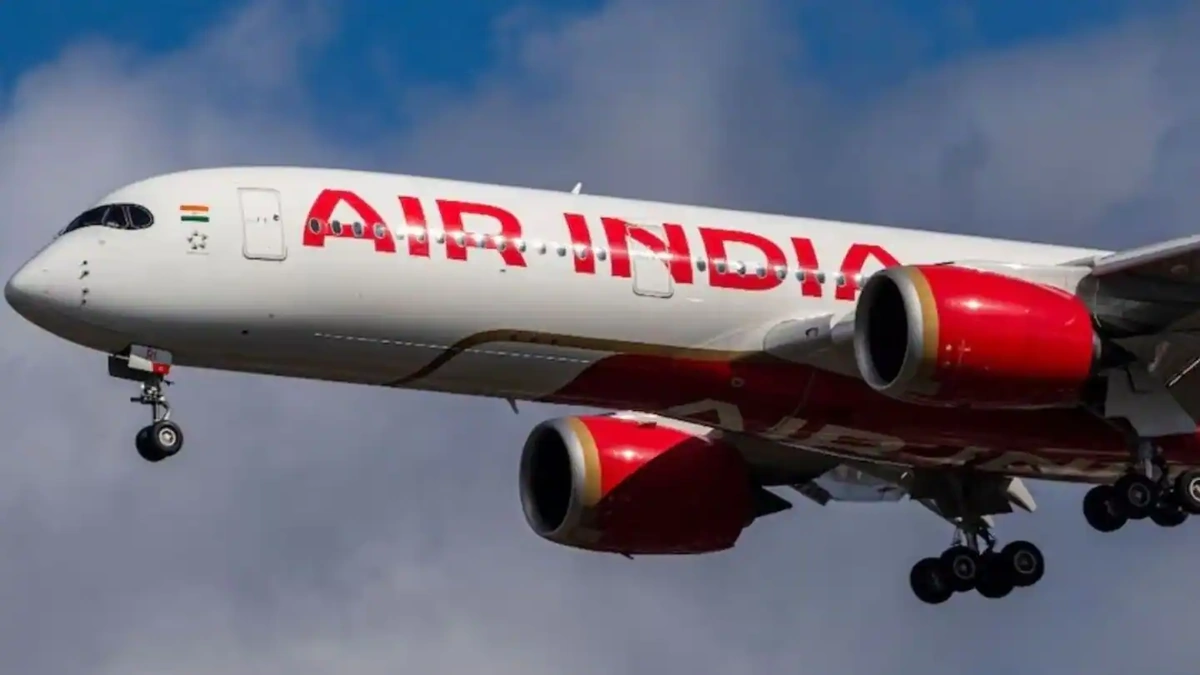
Okay, Rs 10,000 crore is a hefty sum. But to truly grasp the significance, you need to look at the bigger picture of Air India’s debt and its ongoing turnaround plan. The airline has been grappling with a massive debt burden for years, a legacy of its past as a government-owned entity. This constant need for financial support impacts everything – from its ability to invest in new aircraft and routes to its overall competitiveness in a cutthroat industry. The Tata Group’s acquisition of Air India was supposed to change this, ushering in an era of efficiency and profitability. But turnarounds take time, and more importantly, they require money. The requested financial aid isn’t necessarily a sign of failure, but rather a necessary step in a long and arduous journey.
Think of it like this: you buy an old house that needs a lot of work. You might need to take out a loan to fix the roof, replace the plumbing, and renovate the kitchen. This loan doesn’t mean you made a bad investment; it means you’re committed to restoring the house to its former glory (or even making it better than ever). That’s Air India in a nutshell. The parent company’s role isn’t just about writing a check; it’s about providing the resources needed for a complete overhaul.
Decoding Air India’s Financial Position and Support
What exactly will this money be used for? While specific details aren’t always public, it’s safe to assume the funds will address a combination of immediate needs and long-term investments. We’re likely talking about things like paying off existing debt, covering operational expenses, investing in fleet upgrades, and expanding the airline’s network. Air India likely requires government support and funding from its parent company to cover these costs.
A common mistake I see people make is viewing airline finances as straightforward. It’s not just about ticket sales and fuel costs. Airlines deal with complex hedging strategies, fluctuating currency rates, and a whole host of other financial variables that can significantly impact their bottom line. This funding also helps demonstrate confidence to other stakeholders like banks, investors, and even passengers.
But, one can view the long-term financial implications of continuous funding requests and it raises questions about the airline’s long-term sustainability. Is this a one-time requirement, or will Air India continue to rely on its parent company for financial support in the years to come? That’s the million-dollar question, isn’t it?
The Tata Group’s Turnaround Strategy
The success of Air India hinges on the Tata Group’s ability to execute its turnaround strategy effectively. Let’s be honest, this is a monumental task. The airline needs to streamline its operations, improve its customer service, and differentiate itself from the competition. And corporate restructuring is always difficult. A key component of this strategy is fleet renewal. Air India has already placed orders for hundreds of new aircraft, which will not only improve fuel efficiency but also enhance the passenger experience. Another crucial aspect is network expansion. The airline is looking to add new routes and increase frequencies on existing ones, connecting India to more destinations around the world.
However, the Tata Group also faces significant challenges. The airline industry is fiercely competitive, and Air India needs to contend with both domestic and international players. Moreover, the airline needs to manage its legacy workforce and address issues related to labor relations. Getting everyone on board with the turnaround plan is essential for its success.
Impact on Passengers and the Indian Aviation Market
Ultimately, Air India’s revival will have a significant impact on passengers and the Indian aviation market. A stronger Air India means more choices, competitive fares, and improved service quality. For Indian travelers, this translates to better connectivity and a more seamless travel experience. For the aviation market, it means increased competition and innovation. The airline’s turnaround is also a matter of national pride. Air India has a rich history and a special place in the hearts of many Indians. Seeing it restored to its former glory would be a moment of collective satisfaction.
The competition among airlines in India contributes to lower air travel costs and greater consumer choice. The government also plays a key role in shaping aviation policy and infrastructure development.
Air India’s Competitive Landscape
Air India operates in a dynamic market where strategies to maintain a competitive edge are essential for survival and growth. Airlines adopt varying strategies depending on their overall goals and the market’s competitive landscape.
There are network carriers that aim to attract passengers looking for comprehensive global connectivity with premium services. Low-cost carriers typically focus on offering basic travel services at lower prices by cutting down on amenities and operational costs. In the Indian market, airlines like IndiGo are known for their efficiency and cost-effectiveness, which allows them to offer more competitive pricing. Conversely, airlines like Vistara, a joint venture between Tata Sons and Singapore Airlines, target a more premium market segment by providing enhanced services and comfort.
Air India’s strategies also reflect these market segments. In an attempt to capture different parts of the market, Air India is improving its service quality and planning network expansions. It has introduced new aircraft and routes to enhance its appeal to both business and leisure travelers, aiming to strike a balance between service enhancements and managing operational efficiency. The company hopes to create a sustainable business model while meeting the needs of its customers.
FAQ Section
Why does Air India need so much funding?
Air India is undergoing a major turnaround after years of losses. The funding is needed to pay off debt, upgrade its fleet, and improve its operations.
Where is the money coming from?
The funding is reportedly being requested from its parent company, the Tata Group.
Will this affect ticket prices?
Hopefully, a stronger Air India will lead to more competition and potentially better fares in the long run.
Is Air India going to be successful?
The Tata Group has a solid plan, but the airline industry is tough. Success depends on execution and adapting to changing market conditions.
What happens if Air India doesn’t get the funding?
That would create further uncertainty and could potentially derail the turnaround plan. Financial stability is crucial for its survival.
How does this affect the Indian economy?
A thriving Air India can boost tourism, create jobs, and contribute to the overall economic growth of the country.